
 0
0



News & Events
Latest Updates & Industry Insights
- Home
- News
- Technical Knowledge
- Introduction to the JEL Reflective Mapping Sensor
Introduction to the JEL Reflective Mapping Sensor
January 22,2026
Basic Operating Principle of the Sensor
The reflective Mapping Sensor is a type of sensor that detects position, distance, or objects using optical reflection principles.It consists of a light-emitting end and a light-receiving end.
Its core concept is:
Light emission → Object reflection → Light reception → Analysis of position or intensity changes.
This is used as the basis for wafer presence detection and anomaly inspection.
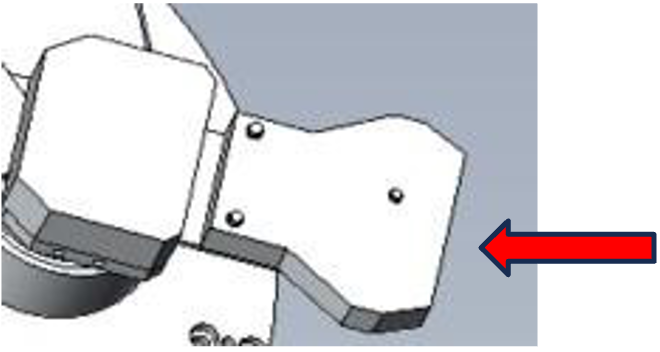
Brand and Model Used
Main Manufacturer: NordsonSensor model: EX-43Q
Installation Method
Mounted on the Wrist_block using a fixed bracket.Applicable JEL Models
Suitable for the S series, M series, L series, and G series.Main Advantages
- Requires only a small installation space
- Can be used in confined spaces with limited angle and distance
Disadvantages
- Easily affected by ambient light
- Accuracy may vary depending on the reflective properties of materials
- Glass, mirror surfaces, and black objects may cause errors
- Insufficient reflection strength when the distance is too great
- Higher cost compared with through-beam sensors
Conclusion
This type of sensor is mainly used for mapping in environments where space is limited or where angle/distance constraints exist.Compared with through-beam sensors, it still falls short in stability, accuracy, and resistance to interference.
However, it remains suitable for applications constrained by space and detection angles.
If there are any concerns regarding system configuration, please contact our company for further discussion.

